2026-11-20 ·
Preventing Bathroom Mold In Bellevue During Rainy Months
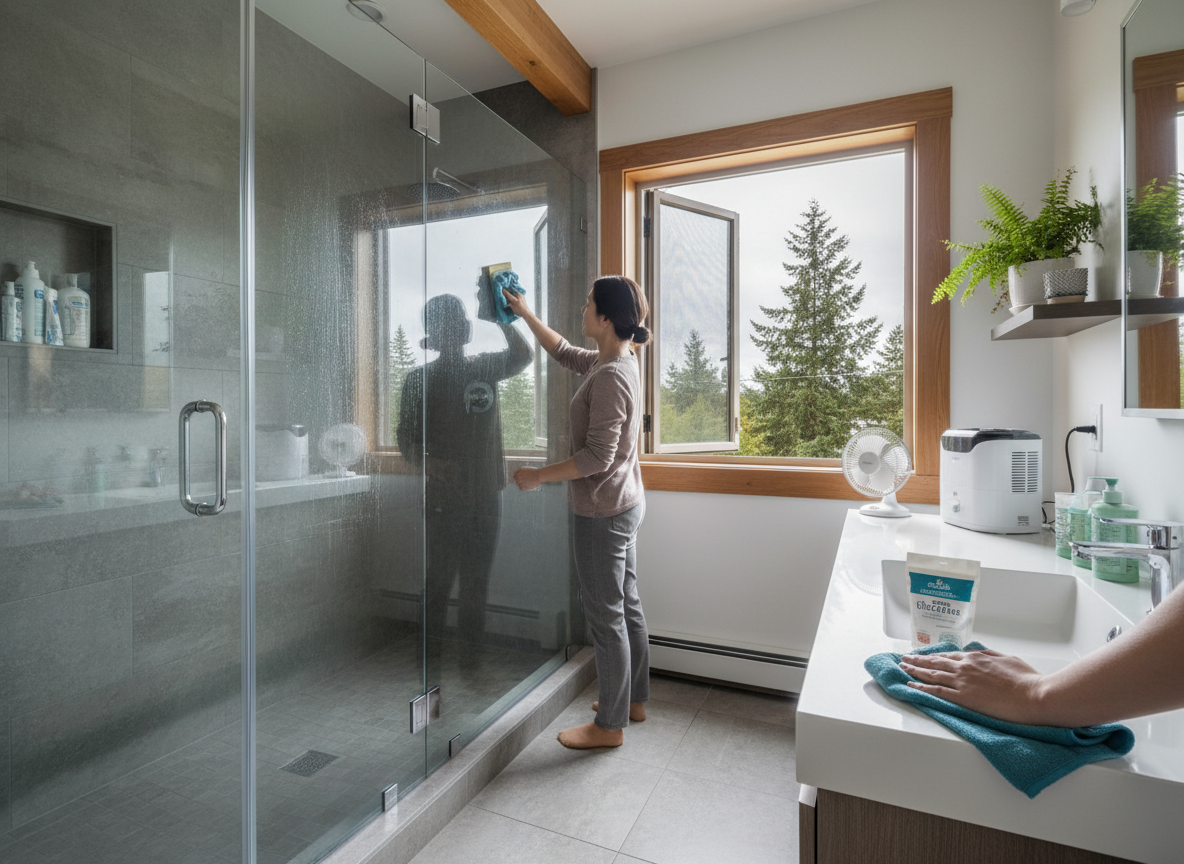
Bellevue's mild oceanic climate brings consistent rain from October through March, pushing indoor humidity levels high enough to trigger mold in bathrooms across neighborhoods like Factoria, Crossroads, and Lake Hills. Keeping relative humidity under 50 percent through daily ventilation and quick leak fixes stops growth before it starts on tile, grout, or drywall.
Bellevue Winter Moisture Patterns
King County's wet season delivers frequent rain that seeps into older single-family homes common in Eastgate and Somerset. These 1970s and 1980s builds often have smaller bathrooms with single windows that stay closed during storms, trapping steam from showers. The result is condensation on mirrors and walls that lingers for hours, feeding mold on caulk lines and behind vanities. Homes near Lake Washington face added humidity from the water body, while properties in Downtown Bellevue high-rises deal with shared ventilation stacks that can spread moisture between units. Daily habits must adjust: run exhaust fans for 20 minutes after every shower and crack a window when outdoor temperatures stay above 45 degrees.
Spotting Early Mold Risks in Local Bathrooms
Check for black spots along shower corners or pink film on grout in homes built before 1990, especially in Crossroads and Lake Hills where original plumbing can develop slow drips. Peeling paint near tubs or musty smells after rain indicate hidden moisture behind walls. In these conditions, even small leaks from toilet bases or shower valves add enough water to sustain colonies within days. Residents in Redmond and Kirkland border areas report similar issues when wind-driven rain enters through older window frames. Addressing these signs within the first week prevents the need for larger repairs later.
Ventilation Upgrades That Match Bellevue Conditions
Install a humidity-sensing fan rated at 80 cubic feet per minute or higher in bathrooms that see daily use. Pair it with a timer set for at least 30 minutes post-shower to pull out moist air before it settles on surfaces. In wet winters, this setup reduces mold risk more effectively than standard switches. Homes in Somerset and Eastgate often benefit from adding a second vent near the ceiling opposite the shower to create cross airflow. For properties near Bellevue Square or the Meydenbauer Center, where space is tight, a quiet inline fan in the attic duct keeps noise low while handling the extra load from prolonged rainy periods.
Maintenance Steps During Rainy Months
Wipe down shower walls after each use and squeegee glass doors to remove standing water. Run a dehumidifier set to 45-50 percent in bathrooms without windows during multi-day storms. Inspect caulk and grout every two weeks for cracks that allow water behind tile. Replace worn seals around tub drains and vanity pipes before leaks appear. These steps keep surfaces dry even when outdoor humidity stays above 80 percent for weeks at a time.
For homes showing repeated issues, review options in Tile And Grout Options That Hold Up In Damp Bellevue Conditions or consider Water Damage Bathroom Repair to stop hidden sources. Planning updates around What Bellevue Residents Should Know About Bathroom Plumbing Updates helps align work with typical King County permit timelines.